Category Archive

News

AI in Finance: The Rise of Algorithmic Trading

News 2 September 2024


As we explore the first week of September 2024, it’s clear that artificial intelligence (AI) is revolutionizing the financial markets. Algorithmic trading, powered by AI, is transforming trading strategies and reshaping how financial markets operate. This blog post explores how AI algorithms are driving these changes and the implications for traders, investors, and the broader financial ecosystem.


What is Algorithmic Trading?


Algorithmic trading, also known as algo-trading, involves using computer programs to execute trades based on pre-defined criteria and mathematical models. These algorithms can process vast amounts of data at high speeds, enabling them to identify trading opportunities and execute orders much faster than human traders. AI takes this a step further by incorporating machine learning and predictive analytics to enhance trading strategies.


Enhancing Trading Strategies


AI algorithms are capable of analyzing historical data and current market conditions to develop sophisticated trading strategies. They can identify patterns and trends that are not immediately apparent to human traders, leading to more informed decision-making. For instance, machine learning models can predict price movements by analyzing factors such as trading volume, historical price data, and even news sentiment.


AI-powered trading systems continuously learn and adapt to new data, refining their strategies over time. This adaptability allows them to respond to changing market conditions more effectively than static models. By leveraging AI, traders can develop strategies that are more robust and capable of delivering consistent returns in various market environments.


High-Frequency Trading (HFT)


One of the most prominent applications of AI in finance is high-frequency trading (HFT). HFT involves executing a large number of trades in fractions of a second, capitalizing on small price discrepancies. AI algorithms excel in HFT due to their ability to process and analyze data at lightning speeds, making split-second decisions that can yield significant profits.


AI-driven HFT systems monitor multiple markets simultaneously, scanning for arbitrage opportunities and executing trades before these discrepancies can be corrected. This level of speed and efficiency is beyond the capability of human traders, giving AI-powered HFT a competitive edge in the market.


Risk Management


AI algorithms also play a crucial role in risk management. By analyzing historical and real-time data, AI can identify potential risks and implement strategies to mitigate them. For example, AI models can predict market volatility and adjust trading positions accordingly to minimize exposure to adverse price movements. This proactive approach to risk management helps protect traders and investors from significant losses.


Moreover, AI can perform stress testing and scenario analysis, assessing how different market conditions could impact a trading strategy. This allows traders to understand the potential risks and rewards associated with their strategies and make more informed decisions.


Market Impact and Liquidity


The rise of AI-driven algorithmic trading has had a profound impact on market dynamics and liquidity. On one hand, AI algorithms enhance market efficiency by quickly identifying and exploiting price discrepancies, contributing to more accurate price discovery. On the other hand, the speed and volume of AI-driven trades can lead to increased market volatility, particularly during periods of high uncertainty.


Additionally, the widespread adoption of AI in trading has raised concerns about market stability. Flash crashes, where markets experience rapid and significant price declines within a short period, have been linked to algorithmic trading. Regulators and market participants are continuously working to implement safeguards and monitoring systems to mitigate these risks and ensure market stability.


The Future of Algorithmic Trading


As AI technology continues to evolve, the future of algorithmic trading looks promising. Advances in natural language processing (NLP) and sentiment analysis are enabling AI algorithms to incorporate unstructured data, such as news articles and social media posts, into their trading strategies. This integration of diverse data sources enhances the predictive power of AI models, leading to more accurate and timely trading decisions.


Furthermore, the development of explainable AI (XAI) is addressing the transparency and interpretability challenges associated with AI-driven trading. XAI aims to make AI models more understandable to human users, providing insights into how decisions are made. This transparency is crucial for building trust and ensuring compliance with regulatory requirements.


In conclusion, AI is transforming algorithmic trading by enhancing trading strategies, improving risk management, and impacting market dynamics. As technology continues to advance, AI-driven trading systems will become even more sophisticated, driving innovation and shaping the future of financial markets.


#AlgorithmicTrading #HighFrequencyTrading #AIAlgorithms #ExplainableAI #ENAVC
Femtech: AI Innovations in Women’s Health and Wellness

News 26 August 2024


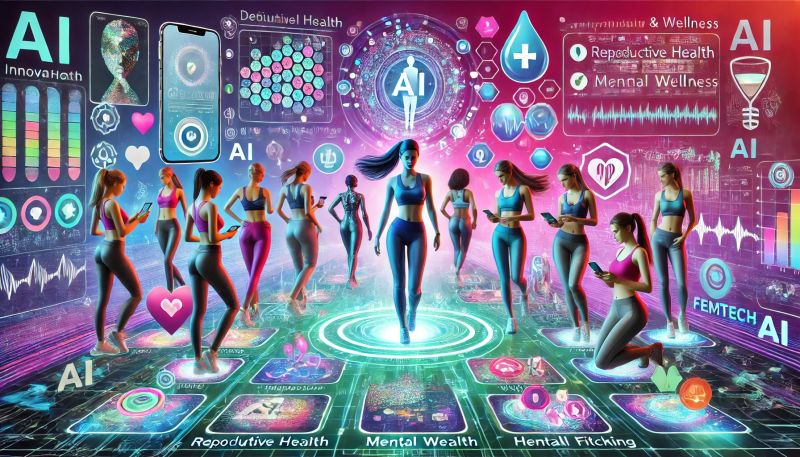
As we close out August 2024, the landscape of women’s health is being transformed by innovative AI-driven technologies. These advancements are not only improving access to healthcare but also personalizing and enhancing the quality of care women receive. This blog post explores the latest AI-driven advancements in femtech, highlighting how these technologies are revolutionizing women’s health and wellness.


Personalized Reproductive Health


One of the most significant areas of innovation in femtech is reproductive health. AI-powered apps and platforms are providing personalized insights and recommendations for women throughout their reproductive journeys.


1. Fertility Tracking and Prediction


AI algorithms analyze data from wearable devices, health records, and user inputs to predict ovulation and fertility windows with high accuracy. These tools help women better understand their menstrual cycles and optimize their chances of conception.


2. Pregnancy Monitoring


AI-driven platforms are offering comprehensive monitoring for pregnant women, from tracking fetal development to predicting potential complications. Personalized health recommendations based on real-time data help ensure healthier pregnancies and better outcomes for both mothers and babies.


Advanced Diagnostics and Screening


AI is enhancing the accuracy and efficiency of diagnostics and screening in women’s health, leading to earlier detection and treatment of various conditions.


1. Breast Cancer Detection


AI algorithms are being used to analyze mammograms and other imaging data to detect breast cancer at earlier stages. These systems can identify subtle patterns that might be missed by human eyes, improving diagnostic accuracy and potentially saving lives.


2. Cervical Cancer Screening


AI-powered tools are also transforming cervical cancer screening by analyzing Pap smear samples more accurately and efficiently. This leads to earlier detection and treatment, reducing the mortality rate associated with this disease.


Mental Health and Wellness


AI is playing a crucial role in addressing mental health issues, which are often underdiagnosed and undertreated in women.


1. Mental Health Chatbots


AI-driven chatbots provide immediate, accessible support for women experiencing mental health issues. These tools offer personalized coping strategies, track mood changes, and connect users with professional help when needed.


2. Personalized Wellness Programs


AI platforms create personalized wellness programs that include exercise, nutrition, and mindfulness practices tailored to individual needs. These programs help women maintain mental and physical health, reducing stress and improving overall well-being.


Chronic Disease Management


AI is improving the management of chronic diseases that disproportionately affect women, such as autoimmune disorders and osteoporosis.


1. Autoimmune Disease Management


AI-driven tools help monitor symptoms and predict flare-ups, enabling timely interventions and personalized treatment plans. These tools improve the quality of life for women living with chronic conditions.


2. Bone Health Monitoring


AI technologies analyze bone density scans and other relevant data to predict the risk of osteoporosis and fractures. Personalized prevention and treatment strategies are then developed to maintain bone health and prevent complications.


Access to Healthcare


AI is breaking down barriers to healthcare access, particularly for women in remote or underserved areas.


1. Telehealth Services


AI-enhanced telehealth platforms provide remote consultations, diagnostics, and treatment plans, making healthcare more accessible to women regardless of their location. These services ensure that women receive timely and appropriate care.


2. Health Education and Awareness


AI-driven educational tools are spreading awareness about women’s health issues, and empowering women with knowledge about their bodies and health. These tools provide reliable information on a wide range of topics, from menstrual health to menopause.


Conclusion


The integration of AI in femtech is transforming women’s health and wellness, offering personalized, efficient, and accessible care. These advancements are not only improving health outcomes but also empowering women to take control of their health. As AI continues to evolve, the future of women’s healthcare looks promising, with innovations that will further enhance the quality of care and overall well-being for women worldwide.


#Femtech #Health #Wellness #Wellbeingforwomen #Telehealth #ENAVC


Regtech Innovations: Simplifying Compliance with AI

News 19 August 2024


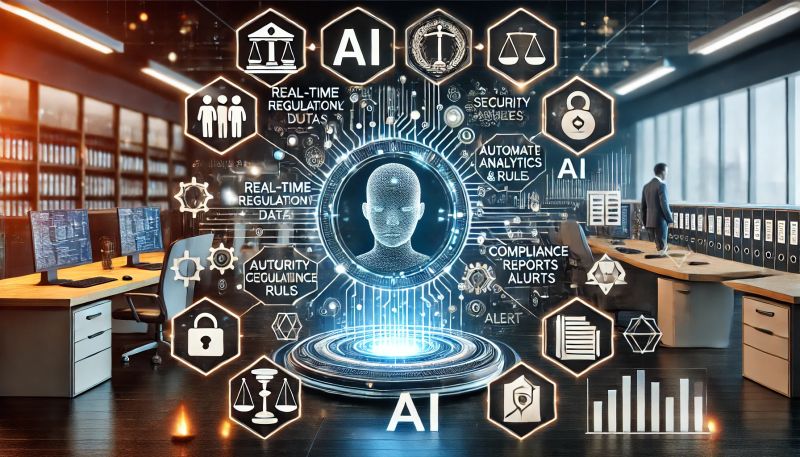
As we move through August 2024, regulatory technology (Regtech) is gaining traction as a game-changer for businesses navigating the complex compliance landscape. With the integration of artificial intelligence (AI), Regtech is transforming how companies manage regulatory requirements, reducing the burden on businesses, and ensuring more accurate and efficient compliance processes. This blog post explores how AI is revolutionizing regulatory compliance and the benefits it brings to the corporate world.


The Complexity of Regulatory Compliance


Businesses across various sectors face a growing number of regulations and standards that they must comply with, ranging from data protection laws to financial reporting requirements. The complexity and volume of these regulations can be overwhelming, often requiring significant time, resources, and expertise to navigate. Non-compliance can result in severe penalties, reputational damage, and operational disruptions.


The Role of AI in Regtech


AI plays a pivotal role in Regtech by automating and streamlining compliance processes. Here’s how:


Automated Monitoring and Reporting


AI-driven Regtech solutions can continuously monitor regulatory changes and automatically update compliance protocols. This ensures that businesses stay up-to-date with the latest regulations without manual intervention. AI can also generate comprehensive reports, highlighting compliance status and areas that require attention, thus simplifying the reporting process.


Risk Assessment and Management


AI algorithms can analyze vast amounts of data to identify potential compliance risks. By examining patterns and anomalies, AI can predict areas where a business might be vulnerable to non-compliance. This proactive approach allows companies to address issues before they escalate into significant problems, reducing regulatory breach risk.


Document Analysis and Processing


Compliance often involves managing large volumes of documents and data. AI-powered natural language processing (NLP) tools can quickly analyze and categorize documents, extracting relevant information and ensuring that all necessary documentation is in place. This automation reduces the administrative burden on compliance teams and minimizes the risk of human error.


Enhanced Data Security


Ensuring data security is a critical aspect of regulatory compliance. AI can enhance data protection measures by detecting unusual activities that may indicate security breaches. Machine learning models can adapt to new threats in real-time, providing robust security for sensitive information and helping businesses comply with data protection regulations.


Training and Awareness


AI can also play a role in training employees on compliance matters. Interactive AI-based training programs can provide personalized learning experiences, ensuring that employees understand and adhere to regulatory requirements. Regular training updates can be pushed automatically, keeping the workforce informed about new compliance rules and best practices.


Benefits of AI-Driven Regtech


Cost Efficiency


By automating repetitive and time-consuming compliance tasks, AI-driven Regtech solutions reduce the need for extensive manual labor, leading to significant cost savings for businesses. Companies can reallocate resources to more strategic activities, enhancing overall productivity.


Accuracy and Consistency


AI systems provide a high level of accuracy and consistency in compliance processes. Automated systems are less prone to errors compared to manual processes, ensuring that compliance requirements are met reliably and consistently.


Scalability


AI-driven Regtech solutions are highly scalable, allowing businesses to manage compliance effectively as they grow. Whether a company operates in multiple regions with different regulations or is expanding its operations, AI can adapt to changing compliance needs without a proportional increase in compliance resources.


Enhanced Decision-Making


The insights generated by AI can support better decision-making. By providing a comprehensive view of compliance status and risks, AI enables businesses to make informed decisions about resource allocation, risk management, and strategic planning.


Looking Ahead


The integration of AI in Regtech is set to continue evolving, offering even more sophisticated solutions for regulatory compliance. As AI technology advances, we can expect Regtech tools to become more intuitive, efficient, and capable of handling an increasingly complex regulatory environment. Businesses that adopt these innovations will be better positioned to navigate the regulatory landscape, minimize risks, and achieve sustainable growth.

In conclusion, AI-driven Regtech is transforming regulatory compliance by automating processes, enhancing accuracy, and reducing costs. By leveraging AI, businesses can streamline compliance efforts, stay ahead of regulatory changes, and focus on strategic growth, making Regtech an essential component of modern business operations.


#AI-drivenRegtech #RegulatoryCompliance #CostEfficiency #Scalability #ENAVC


Telehealth and AI: Revolutionizing Patient Care in Rural Areas

News 13 August 2024


As we progress through August 2024, the healthcare landscape is being dramatically transformed by the combined forces of telehealth and artificial intelligence (AI). This powerful synergy is revolutionizing patient care, particularly in rural and underserved regions where access to healthcare services has traditionally been limited. This blog post explores the profound impact of AI on expanding healthcare access, enhancing patient outcomes, and bridging the gap between urban and rural healthcare.


Expanding Access to Healthcare


Telehealth leverages digital communication technologies to provide healthcare services remotely, a vital lifeline for rural areas where medical facilities and specialists are often scarce. By integrating AI into telehealth platforms, the reach and efficiency of these services are significantly amplified. AI-powered telehealth applications can offer a range of services, from routine consultations and remote monitoring to sophisticated diagnostic tools, all accessible from the comfort of a patient’s home.


Enhancing Diagnostic Accuracy


One of the most transformative impacts of AI in telehealth is its ability to enhance diagnostic accuracy. AI algorithms can analyze medical images, patient histories, and other data to accurately identify patterns and detect anomalies. This capability is especially beneficial in rural areas, where access to radiologists and specialists may be limited. AI-powered tools can assist primary care physicians by providing second opinions and identifying conditions that might otherwise go unnoticed.


Personalized Patient Care


AI-driven telehealth platforms are adept at providing personalized care tailored to individual patient needs. AI can generate personalized treatment plans and health recommendations by analyzing data from wearable devices, electronic health records, and patient inputs. This level of customization ensures that patients receive care that is specifically suited to their health conditions and lifestyles, improving adherence to treatment and overall health outcomes.


Overcoming Healthcare Barriers


Rural areas often face unique healthcare challenges, including long travel distances to medical facilities, limited availability of specialists, and a shortage of healthcare providers. Telehealth, supported by AI, addresses these barriers by bringing healthcare directly to patients. Virtual consultations and remote monitoring reduce the need for travel, while AI-powered diagnostic tools and decision support systems enhance the capabilities of local healthcare providers.


Empowering Healthcare Providers


AI in telehealth not only benefits patients but also empowers healthcare providers. AI tools can assist doctors and nurses by automating routine tasks, analyzing complex data, and providing clinical decision support. This enables healthcare professionals to focus more on patient care and less on administrative duties. In rural settings, where healthcare resources are often stretched thin, this support is invaluable in improving efficiency and reducing burnout among providers.


Building a Sustainable Healthcare Model


The integration of AI and telehealth is contributing to the creation of a more sustainable healthcare model. By optimizing resource use, reducing unnecessary hospital visits, and enabling early intervention, these technologies help lower healthcare costs while improving patient outcomes. This is particularly important in rural areas, where financial constraints and limited resources can pose significant challenges to healthcare delivery.


Looking Ahead


As we look to the future, the potential for AI to further revolutionize telehealth and patient care in rural areas is immense. Advances in AI technology, coupled with increasing internet connectivity and digital literacy, will continue to expand the reach and effectiveness of telehealth services. This progress promises a future where high-quality healthcare is accessible to everyone, regardless of geographical location.


In conclusion, the fusion of telehealth and AI is a game-changer for rural healthcare. By expanding access, enhancing diagnostic accuracy, and providing personalized care, these technologies are bridging the gap between urban and rural healthcare, ensuring that no one is left behind. As we embrace these innovations, we move closer to a future where healthcare is truly universal and equitable.


#Telehealth #AIHealthcare #RuralHealthcare #HealthcareInnovation #ENAVC

AI-Driven Personalized Learning: The Future of Education

News 5 August 2024


As we step into August 2024, the educational landscape is undergoing a significant transformation, fueled by the advancements in artificial intelligence (AI). Personalized learning, once a distant dream, is now becoming a reality, thanks to AI’s ability to tailor educational experiences to individual student needs. This blog post explores how AI is customizing learning, enhancing engagement, and paving the way for the future of education.


Understanding Personalized Learning


Personalized learning is an educational approach that aims to customize learning based on each student’s strengths, needs, skills, and interests. Unlike traditional methods, where a single curriculum is designed for all, personalized learning adapts to the unique pace and style of each student, making education more effective and engaging.


The Role of AI in Personalized Learning


AI plays a crucial role in making personalized learning possible. By analyzing data from various sources such as student performance, learning habits, and even biometric feedback, AI systems can create detailed profiles for each learner. These profiles help in crafting individualized learning plans that adjust in real-time, ensuring that each student receives the support they need.


1. Adaptive Learning Systems


Adaptive learning systems use AI algorithms to assess a student’s current knowledge and skills. Based on this assessment, the system provides tailored content and exercises that match the student’s learning level. For example, if a student excels in mathematics but struggles with reading comprehension, the system will provide more challenging math problems while offering additional resources for reading.


2. Intelligent Tutoring Systems


Intelligent tutoring systems simulate one-on-one tutoring by providing personalized feedback and guidance. These systems can identify a student’s misconceptions and provide targeted interventions to address them. For instance, if a student makes a common mistake in solving algebraic equations, the AI tutor can pinpoint the error and explain the correct method.


3. Customized Learning Paths


AI can design customized learning paths that align with a student’s interests and career goals. By integrating data from academic performance, extracurricular activities, and personal preferences, AI can recommend courses, projects, and activities that keep students engaged and motivated.


4. Real-Time Analytics and Feedback


AI-driven platforms provide real-time analytics and feedback to both students and educators. This immediate feedback loop helps students understand their progress and areas that need improvement. Educators can also use this data to adjust their teaching strategies and provide additional support where needed.


Benefits of AI-Driven Personalized Learning

The integration of AI in personalized learning offers numerous benefits:


a. Enhanced Engagement: Personalized content keeps students engaged by focusing on their interests and preferred learning styles. This increased engagement leads to better retention and understanding of the material.


b. Improved Outcomes: By addressing individual learning needs, AI-driven personalized learning helps students achieve better academic outcomes. Tailored interventions ensure that students do not fall behind and can progress at their own pace.


c. Equitable Education: AI makes it possible to provide high-quality education to all students, regardless of their background or location. By offering customized support, AI ensures that every student has the opportunity to succeed.


d. Empowered Educators: AI tools empower educators by providing insights into student performance and learning habits. This data-driven approach allows teachers to focus on personalized instruction and support, rather than administrative tasks.


The Future of Education


As AI continues to evolve, its impact on education will only grow. The future of education lies in harnessing the power of AI to create learning environments that are dynamic, inclusive, and responsive to the needs of each student. By embracing AI-driven personalized learning, we can ensure that education is not only more effective but also more enjoyable and meaningful for students.

In conclusion, AI-driven personalized learning is revolutionizing education by tailoring experiences to individual needs. This transformation is paving the way for a future where every student can reach their full potential, guided by the intelligent insights and support of AI technology.

#FutureofEducation #AI-drivenPersonalizedLearning #CustomizedLearningPaths #ENAVC


Cybersecurity for Remote Work: Protecting Data in a Distributed Workforce

News 29 July 2024


As we move deeper into July 2024, the landscape of work continues to be reshaped by the increasing prevalence of remote work. While this shift has brought numerous benefits, it has also introduced significant cybersecurity challenges. Protecting data in a distributed workforce requires new strategies and solutions. This blog post explores the key challenges and offers practical solutions to enhance cybersecurity for remote work environments.


The Rise of Remote Work


Technological advancements and the need for flexibility have accelerated the global shift to remote work. However, this new way of working comes with its cybersecurity risks. Distributed workforces often rely on personal devices and home networks, which may lack the robust security measures in traditional office environments. As a result, organizations must adapt their cybersecurity strategies to protect sensitive data and maintain operational integrity.


Key Cybersecurity Challenges


Vulnerable Home Networks

Home networks are generally less secure than corporate networks, making them prime targets for cyberattacks. Weak passwords, outdated firmware, and unsecured Wi-Fi connections can all contribute to vulnerabilities.

Use of Personal Devices

Remote workers often use personal devices for work purposes. These devices may not have the same level of security as company-issued equipment, increasing the risk of data breaches.

Phishing Attacks

Phishing attacks have become more sophisticated, targeting remote workers through emails, messages, and social media. These attacks can lead to the theft of sensitive information or the installation of malicious software.

Data Sharing and Collaboration Tools

The use of various collaboration tools and cloud services can create multiple points of vulnerability. Without proper security measures, data shared across these platforms can be intercepted or accessed by unauthorized individuals.


Solutions for Securing Data in Remote Work Environments


Implement Strong Authentication Measures

Multi-factor authentication (MFA) adds an extra layer of security by requiring multiple forms of verification before granting access to systems and data. This significantly reduces the risk of unauthorized access.

Secure Home Networks

Employees should be encouraged to secure their home networks by using strong, unique passwords, enabling WPA3 encryption, and regularly updating their router firmware. Providing guidelines on securing home Wi-Fi can help mitigate risks.

Use of Virtual Private Networks (VPNs)

VPNs encrypt internet connections, making it more difficult for cybercriminals to intercept data. Organizations should require remote workers to use VPNs when accessing company resources.

Regular Security Training and Awareness

Continuous education is vital to keep employees informed about the latest cybersecurity threats and best practices. Regular training sessions can help employees recognize phishing attempts and understand the importance of secure data handling.

Endpoint Security Solutions

Deploying endpoint security software on all devices used for work purposes can protect against malware, ransomware, and other cyber threats. This includes antivirus programs, firewalls, and intrusion detection systems.

Data Encryption

Encrypting sensitive data ensures that even if it is intercepted, it cannot be read without the proper decryption key. Both in-transit and at-rest encryption should be implemented to protect data across all stages of its lifecycle.

Access Control and Least Privilege

Implementing strict access controls ensures that employees only have access to the data and systems necessary for their job roles. The principle of least privilege minimizes the potential damage from compromised accounts.

Regular Security Audits and Assessments

Conducting regular security audits and assessments helps identify vulnerabilities and areas for improvement. These evaluations should be an ongoing part of the organization’s cybersecurity strategy.


Looking Ahead


As remote work becomes a permanent fixture in the modern work environment, organizations must continually adapt their cybersecurity strategies to address evolving threats. By implementing robust security measures and fostering a culture of cybersecurity awareness, businesses can protect their data and ensure the safety of their distributed workforce.


In conclusion, securing data in a remote work environment requires a multi-faceted approach that combines technology, education, and best practices. By addressing the key challenges and implementing the solutions outlined above, organizations can build a resilient cybersecurity posture that supports the benefits of remote work while safeguarding sensitive information.


#CyberSecurity #Remotework #ProtectingData #SecuritySolutions #Regular Security Training #ENAVC


Blockchain in Renewable Energy: Powering a Sustainable Future

News 22 July 2024


As we advance through July 2024, the intersection of blockchain technology and renewable energy is emerging as a key driver for sustainable innovation. Blockchain, known for its role in cryptocurrencies, is now being leveraged to optimize and secure renewable energy grids, offering promising solutions for a greener future. This blog post explores how blockchain transforms the renewable energy sector, enhancing efficiency, transparency, and security.


Optimizing Energy Distribution


One of the most significant advantages of blockchain technology in renewable energy is its ability to optimize energy distribution. Traditional energy grids often face challenges in managing the variable nature of renewable energy sources such as solar and wind. Blockchain enables real-time energy production and consumption tracking, allowing for more efficient energy distribution. By recording every transaction on a decentralized ledger, blockchain ensures that energy is allocated where it’s needed most, reducing waste and improving grid stability.


Enhancing Transparency and Trust


Transparency is crucial in the renewable energy market, where consumers increasingly demand proof of the origin and sustainability of their energy. Blockchain provides an immutable record of energy transactions, allowing consumers to trace their energy source with confidence. This transparency builds trust between energy providers and consumers, encouraging more people to adopt renewable energy solutions. Additionally, smart contracts on the blockchain can automate and enforce compliance with sustainability standards, ensuring that all parties adhere to agreed-upon terms.


Securing Energy Grids


The security of energy grids is paramount, especially as they become more decentralized and integrated with various renewable sources. Blockchain’s decentralized nature makes it inherently resistant to tampering and cyberattacks. Each transaction is encrypted and linked to the previous one, creating a secure chain of information. This security is particularly important for protecting sensitive data and ensuring the integrity of energy transactions. By securing the grid, blockchain helps prevent disruptions that could arise from malicious attacks or technical failures.


Facilitating Peer-to-Peer Energy Trading


Blockchain technology enables peer-to-peer (P2P) energy trading, allowing individuals and businesses to buy and sell excess energy directly to each other. This decentralized approach empowers consumers to participate actively in the energy market, promoting the use of renewable energy sources. For example, homeowners with solar panels can sell surplus energy to their neighbors, creating a local energy market that reduces reliance on centralized power plants. Blockchain ensures that these transactions are transparent, secure, and efficient.


Integrating Renewable Energy with IoT


The integration of blockchain with the Internet of Things (IoT) further enhances its potential in renewable energy. IoT devices can monitor and control energy production, storage, and consumption in real-time. When combined with blockchain, these devices can securely share data and automate energy management processes. For instance, a smart home system could automatically adjust energy usage based on real-time data from the grid, optimizing efficiency and reducing costs. Blockchain ensures that the data exchanged between devices is accurate and tamper-proof.


Supporting Sustainable Initiatives


Blockchain can also support various sustainable initiatives by providing a reliable platform for tracking and verifying carbon credits and renewable energy certificates (RECs). These instruments are essential for companies and governments to meet their sustainability goals and regulatory requirements. By ensuring the authenticity and transparency of carbon credits and RECs, blockchain helps prevent fraud and double counting, promoting genuine efforts to reduce carbon footprints.


Looking Ahead


The integration of blockchain technology in renewable energy is still in its early stages, but its potential is vast. As the technology matures, we can expect to see more innovative applications that enhance the efficiency, security, and sustainability of energy systems. Blockchain offers a promising path toward a future where renewable energy is not only widely adopted but also optimally managed and transparently traded.


In conclusion, blockchain is playing a crucial role in powering a sustainable future by optimizing energy distribution, enhancing transparency, securing energy grids, facilitating P2P trading, integrating with IoT, and supporting sustainable initiatives. As we continue to explore and develop these technologies, the renewable energy sector stands to benefit immensely, driving us closer to a greener and more sustainable world.


#Blockchain #SustainableFuture #RenewableEnergy #InternetofThings #ENAVC

Cloud Computing in the Age of AI: Enhancing Scalability and Performance

News 16 July 2024


As we navigate through July 2024, the synergy between cloud computing and artificial intelligence (AI) continues to reshape the technological landscape. Cloud computing provides the backbone for AI applications, offering scalable resources that enhance performance and enable rapid innovation. This blog post explores how cloud computing is supporting the growth and efficiency of AI, making advanced technologies more accessible and effective.


The Foundation of Scalability


Scalability is a cornerstone of modern AI applications. The ability to handle increasing amounts of data and computation without compromising performance is crucial for AI development. Cloud computing platforms such as Amazon Web Services (AWS), Microsoft Azure, and Google Cloud provide the infrastructure to efficiently scale AI workloads. These platforms offer virtually unlimited storage and compute power, allowing AI models to process vast datasets and perform complex calculations seamlessly.


On-Demand Resources


One of the key advantages of cloud computing is the provision of on-demand resources. This means AI developers and researchers can access computing power as needed, without the need for significant upfront investment in hardware. This flexibility accelerates development cycles, enabling rapid experimentation and iteration. For example, a data scientist can quickly spin up a high-performance GPU instance to train a deep learning model, and just as easily shut it down when the task is complete, optimizing costs and resource use.


Enhancing Performance with High-Performance Computing (HPC)


High-Performance Computing (HPC) capabilities in the cloud are transforming AI research and applications. HPC allows for processing complex simulations and large-scale AI training tasks that require significant computational power. Cloud providers offer specialized instances equipped with powerful GPUs and TPUs (Tensor Processing Units), specifically designed for AI workloads. These instances significantly reduce training times for machine learning models, enabling faster deployment and real-time analytics.


Facilitating Collaboration and Innovation


Cloud computing fosters collaboration by providing a centralized platform where data, tools, and applications are accessible from anywhere. This is particularly beneficial for AI projects that often involve multidisciplinary teams spread across different locations. Cloud-based AI development environments, such as Google Colab and Microsoft Azure Machine Learning, allow multiple users to collaborate on the same project, share insights, and iterate on models in real time. This collaborative approach accelerates innovation and drives collective problem-solving.


Democratizing AI Access


By lowering the barriers to entry, cloud computing democratizes access to advanced AI technologies. Startups, educational institutions, and researchers can leverage cloud-based AI tools and services without the need for substantial capital investment. This has led to a surge in AI-driven innovation across various sectors, from healthcare and finance to agriculture and education. Cloud platforms provide pre-built AI services, such as natural language processing, image recognition, and predictive analytics, which users can integrate into their applications with minimal expertise.


Ensuring Security and Compliance


Security and compliance are paramount in the deployment of AI applications, especially when dealing with sensitive data. Cloud providers invest heavily in security measures, offering robust encryption, identity management, and compliance certifications to ensure data protection. AI applications benefit from these security protocols, ensuring that data integrity and privacy are maintained throughout the processing and storage phases.


The Future of AI and Cloud Computing


The integration of AI and cloud computing is poised to drive the next wave of technological advancements. Emerging technologies such as edge computing, where data processing occurs closer to the source, and quantum computing, which promises unprecedented computational power, are set to further enhance the capabilities of AI. As these technologies mature, the cloud will continue to play a pivotal role in providing the scalable, high-performance infrastructure necessary to support their development and deployment.


In conclusion, cloud computing is an indispensable ally in the evolution of AI, offering scalable resources that enhance performance, facilitate collaboration, and democratize access to cutting-edge technologies. As we move forward, the fusion of AI and cloud computing will undoubtedly unlock new possibilities, driving innovation and transforming industries worldwide.


#CloudComputing #ArtificialIntelligence #AI #CloudSecurity #HighPerformanceComputing #Innovation #ENAVC

AI in Healthcare: Predictive Analytics for Preventive Care

News 8 July 2024


As we go on in July, the healthcare industry is witnessing a revolution, driven by the power of artificial intelligence (AI). One of the most exciting developments is using predictive analytics to prevent illnesses before they occur. This blog post explores how AI transforms preventive care, making healthcare more proactive and personalized.


The Power of Predictive Analytics


Predictive analytics leverages vast amounts of data to identify patterns and predict future health outcomes. By analyzing data from various sources, including electronic health records (EHRs), wearable devices, and genetic information, AI can forecast potential health issues with remarkable accuracy. This allows healthcare providers to intervene early, often before symptoms even appear, significantly improving patient outcomes.


Early Detection and Prevention


One of the primary benefits of AI-driven predictive analytics is early detection. For example, AI algorithms can analyze data to identify early signs of chronic diseases such as diabetes, heart disease, and cancer. By spotting these indicators early, healthcare providers can implement preventive measures, such as lifestyle changes or medication, to reduce the risk of the disease developing or progressing.
In addition to chronic diseases, predictive analytics can help manage acute conditions. For instance, AI can predict the likelihood of a patient developing sepsis, a life-threatening response to infection, allowing for timely interventions that can save lives.


Personalized Healthcare Plans


AI’s ability to analyze individual patient data means that healthcare can be tailored to each person’s unique needs. Personalized healthcare plans consider a patient’s medical history, genetic profile, lifestyle, and other factors to create a customized approach to prevention and treatment. This not only improves the effectiveness of care but also enhances patient satisfaction, as treatments and recommendations are more closely aligned with their specific circumstances.


Enhancing Public Health Initiatives


Beyond individual patient care, predictive analytics also plays a crucial role in public health. AI can identify trends and outbreaks of diseases, enabling health authorities to take preventive action on a larger scale. For example, during the COVID-19 pandemic, AI was used to track and predict the spread of the virus, helping governments and health organizations to allocate resources more effectively and implement timely interventions.


Overcoming Challenges


While the benefits of AI in predictive healthcare are immense, there are challenges to overcome. Data privacy and security are paramount, as sensitive health information must be protected against breaches. Additionally, the integration of AI into existing healthcare systems requires significant investment and training for healthcare professionals.


Looking Ahead


The future of healthcare is undeniably intertwined with the advancements in AI and predictive analytics. As technology continues to evolve, we can expect even more sophisticated and accurate predictions, leading to a shift from reactive to proactive healthcare. This transformation promises not only to improve individual health outcomes but also to enhance the efficiency and effectiveness of healthcare systems worldwide.
As we embrace these technological advancements, it is crucial to address the ethical and practical challenges to ensure that the benefits of AI in predictive healthcare are realized for all. The journey towards a healthier future is well underway, powered by the incredible potential of artificial intelligence.


#AIinHealthcare #PredictiveAnalytics #PreventiveCare #FuturisticMedicine #SmartHealthcare #InnovativeHealth #ENAVC

Harnessing the Power of AI for a Healthier Planet

News 1 July 2024


As we step into the first week of July, the conversation around artificial intelligence (AI) is evolving from its digital capabilities to its potential for enhancing environmental well-being.

This blog post dives into how AI is being harnessed to combat environmental challenges, promising a future where technology and ecology walk hand in hand toward a healthier planet.


AI: A Beacon of Hope for Environmental Sustainability


In an era where climate change and environmental degradation pose significant threats, AI emerges as a beacon of hope. It’s enabling us to analyze complex environmental data, predict future trends, and implement solutions with precision and efficiency never seen before. From monitoring deforestation in real-time using satellite imagery to optimizing renewable energy output, AI’s applications in environmental science are making a tangible difference.


The Green Guardians: AI in Conservation


Imagine drones equipped with AI flying over vast rainforests, identifying areas affected by illegal logging, or tracking endangered species to study their habitats and threats. These aren’t scenes from a sci-fi movie but real-life applications of AI in conservation efforts today. By processing and analyzing vast amounts of data, AI is helping conservationists target their efforts more effectively, ensuring that our natural world gets the protection it urgently needs.


AI’s Role in Fighting Climate Change


Climate change is arguably the most pressing issue of our time, and AI is at the forefront of the battle against it. By predicting extreme weather patterns, assessing the impact of rising temperatures on biodiversity, and modeling the effectiveness of carbon reduction strategies, AI is a crucial tool in our arsenal against global warming. Moreover, AI-driven technologies are optimizing energy consumption in cities and industries, contributing to a reduction in greenhouse gas emissions.


The Future of Farming: AI-Driven Agriculture


Sustainable agriculture is critical for our planet’s health, and AI is revolutionizing the way we grow our food. From precision farming techniques that use data to optimize the use of water, fertilizers, and pesticides to AI systems that monitor crop health and predict yields, technology is making farming more sustainable and productive. This not only helps in reducing the environmental impact of agriculture but also ensures food security for a growing global population.


Navigating Ethical Waters


The integration of AI into our environmental efforts is not without its challenges. Data privacy, ethical AI use, and ensuring that technology does not widen existing social inequalities are pressing concerns that need to be addressed. However, the potential benefits of AI for our planet make it a risk worth taking, provided we navigate these waters with caution and responsibility.


A Call to Action


As we conclude June 2024, the role of AI in environmental sustainability is a powerful reminder of the positive impact technology can have on our world. It’s a call to action for innovators, policymakers, and each one of us to support and invest in AI technologies that not only advance human progress but also ensure the health and well-being of our planet.


Let this be the moment we commit to harnessing the power of AI for a greener, more sustainable future, where technology and nature exist in harmony, paving the way for a healthier planet for future generations.


#AIForEarth #EnvironmentalInnovation #SustainableFuture #ENAVC